



How Loomis customs works

How Loomis Customs Works

Duties and taxes on a cross-border shipment are set by the destination country, not by Loomis. Loomis ships from Canada, to the U.S. and over 220 countries, so every customs question on a Loomis shipment is about goods leaving Canada. The key rule is in Loomis's own FAQs: anything that is not simply documents must have the proper customs documentation for the destination country.

Prepaid all shipments abroad
US$1,250 single-form limit, U.S.
Receiver pays duties by default

Duties and taxes are a separate bill from your Loomis shipping charge, and Loomis's rates do not include them. All U.S. and international shipments must also be sent prepaid. For the rate itself, see Loomis Shipping Rates; for Loomis's own fees, including its international charges, see Loomis Surcharges & Fees. Loomis also notes that customs delays are beyond its control, and it will do its best to keep you updated on a delayed package.

Source: Loomis Express, FAQs, fetched 2 Nov 2026

Loomis customs documents

The Customs Documents You Need

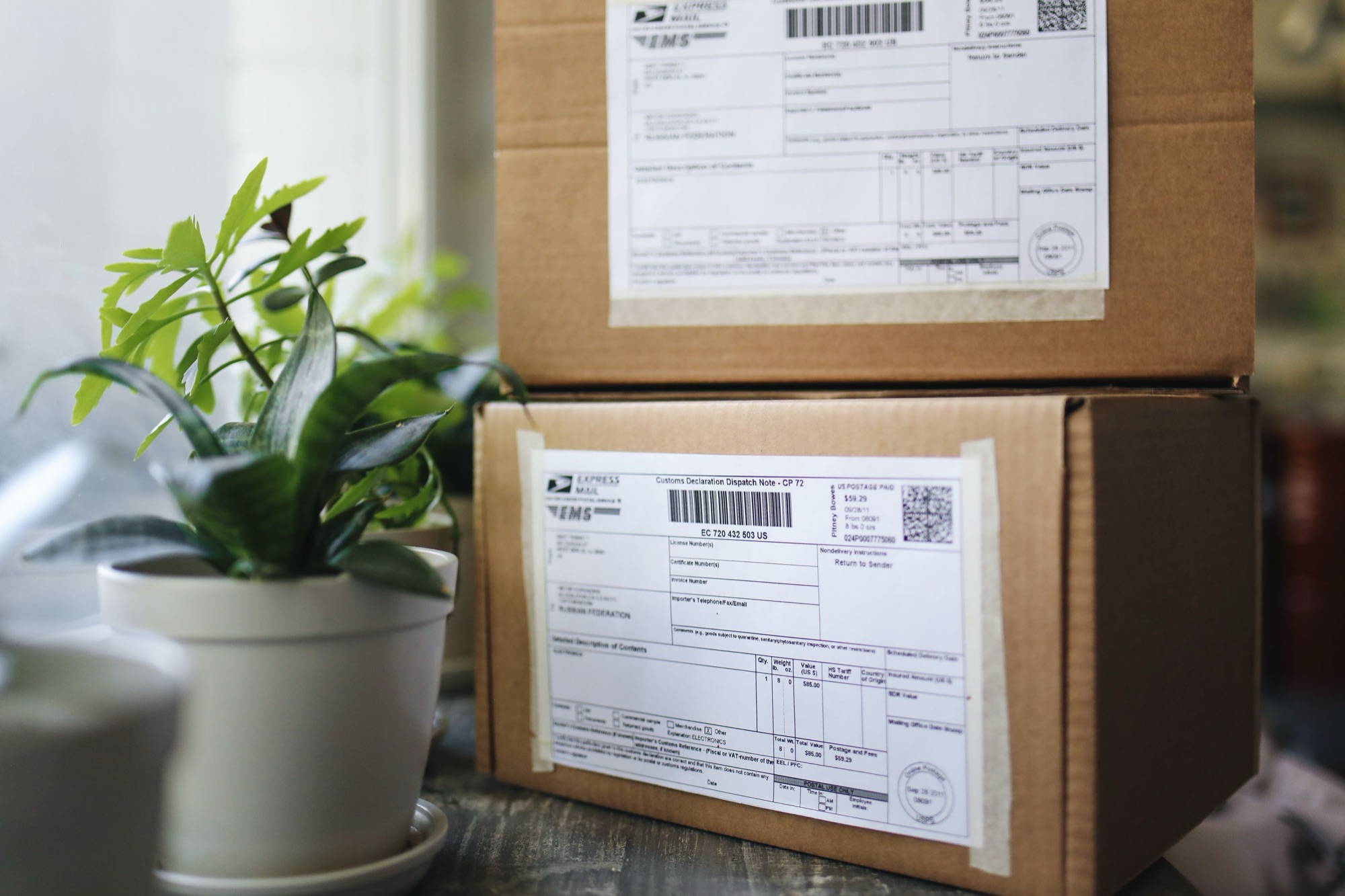
Every Loomis shipment leaving Canada travels on a Loomis International Waybill. Whether you also need a separate commercial invoice depends on what you are sending, where it is going and what it is worth:

What you are shippingDocumentNotes
Documents only, any destinationLoomis International WaybillA commercial invoice is optional for documents, and WebShip does not require the customs details.
Goods to the U.S., declared value under US$1,250Loomis International Waybill, which doubles as the commercial invoiceOne form covers both. For several different goods, use a separate commercial invoice.
Goods to the U.S., declared value US$1,250 or moreInternational Waybill plus a separate commercial invoiceOne signed original and two copies, attached to the first parcel in the shipment.
Goods to any destination outside the U.S.International Waybill plus a separate commercial invoiceOne signed original and two copies, attached to the first parcel in the shipment.
Shipping with Loomis WebShipShipping label, commercial invoice and pickup label, plus a CBSA export declaration on U.S. shipmentsGenerated for you. The only required customs field is the terms of sale: Delivery Duty Paid or Delivery Duty Unpaid.

Two things stand out in that table:

  • The US$1,250 limit is for the U.S. only. Goods going anywhere else always need a separate commercial invoice.
  • WebShip does most of the paperwork. It creates the commercial invoice with your label. You only have to choose who pays duties: Delivery Duty Paid (you) or Delivery Duty Unpaid (the receiver).

The commercial invoice needs:

  • Where the goods are coming from and going to
  • Where the goods were made
  • The waybill number and the importer's name
  • The terms and currency of sale
  • A clear description, quantity and value for each item

Sending something with no commercial value? Enter a small amount and write "Value for customs purposes only". Not sure of an item's tariff code? Loomis's international shipping guide says you can enter NES (Not Elsewhere Specified), or look it up in Statistics Canada's export classification.

Some goods and countries need extra forms, such as a certificate of origin or an export declaration. You'll find templates for these on Loomis's Forms and Documents page.

Source: Loomis Express, FAQs, fetched 2 Nov 2026

Who pays Loomis duties and taxes

Who Pays: Shipper, Receiver or Third Party

By default, the receiver pays the destination duties and taxes. You can choose to bill them to yourself or a third party instead, so your customer gets the package without a customs bill at the door. Loomis charges an administrative fee for this, except on documents and to what its rate guide calls "NAFTA destinations". The amount is in our Loomis Surcharges & Fees guide.

Billing someone else does not take you off the hook completely. If the receiver or a third party refuses to pay, Loomis's Terms make the shipper pay all the charges, and on Return Cheque and third-party shipments that explicitly includes taxes and duties. It is worth agreeing who pays with your customer before you ship.

If you or your receiver use your own customs broker, Loomis treats the shipment as delivered once it tells that broker the shipment is ready for clearance. And Loomis's money-back guarantee covers only the transportation charges, so a late guaranteed shipment never gets duties or taxes back. The full conditions are in Loomis's Terms and Conditions.

Source: Loomis Express Terms & Conditions, effective 9 Jul 2026

Loomis declared value

Declared Value and Accurate Paperwork

A shipment leaving Canada carries two declared values, and each one has its own job:

  • Declared value for carriage sets how much Loomis will pay if the package is lost or damaged.
  • Declared value for customs is what customs officers use to work out duties and taxes.

Take care with the customs value and the description of what is inside. Signing the commercial invoice tells customs that you take responsibility for the accuracy of the description. If an item is undervalued or described wrongly, even by mistake, Loomis can abandon or release it without being liable, and you pay back any claims, fines and costs that follow, including returning or storing the shipment. Customs and other government authorities may also open and inspect any shipment.

When you ship with Loomis, you allow it to fill in documents for you and act as your forwarding agent for customs and export. Loomis is not obliged to do this, though, so it is safest to send your paperwork complete.

Source: Loomis Express Terms & Conditions, effective 9 Jul 2026

CBSA export reporting

Exporting From Canada: CBSA Reporting

On the Canadian side, the question is whether you need an export declaration. The Canada Border Services Agency lists goods that do not, including:

  • Non-restricted goods exported for consumption in the U.S.
  • Non-restricted commercial goods with a value under CAN $2,000

Restricted goods going to the U.S. do not need an export declaration either, but CBSA states that "the appropriate permit, certificate or licence, must be presented." The full list is on CBSA's export declaration exemptions page, and the reporting rules are in CBSA's exporters' guide.

Shipping food to the U.S.? The U.S. Food and Drug Administration requires a Prior Notice to be filed electronically before any food shipment arrives, and Loomis can file it for you for a fee.

Source: CBSA, goods that do not need an export declaration, modified 22 Sep 2023

Estimate Loomis cross-border costs

Estimate Your Costs Before You Ship

The best way to avoid a surprise at the border is to know your costs before you commit. Start with Secureship: compare live Loomis rates against every major carrier in seconds, with no Loomis account, so the shipping side of your cost is locked in. Then check the destination's duty rules, or ask your broker, to see the full landed cost.

Compare Cross-Border Rates

Enter your shipment details and see live Loomis rates to the U.S. and abroad alongside every other major carrier.

Get Estimate

Package Type
Units

More Loomis Guides

Loomis Express shipping in Canada

Loomis Guide
Shipping in Canada

Complete guide to Loomis Express 9:00, 12:00, 18:00 and Ground, pickup and drop-off, weight limits, and how to save on every shipment.

Read more
Loomis Express shipping rates

Loomis Guide
Shipping Rates

How Loomis prices a shipment, including zones, cube weight and extended area charges, plus how to get a live quote.

Read more
Loomis Express services in Canada

Loomis Guide
Services Overview

Loomis Express 9:00, 12:00, 18:00 and Ground compared, plus CollectShip, US Economy Select and international.

Read more
Loomis Express delivery times

Loomis Guide
Delivery Times

Loomis delivery commitments by service, Saturday delivery, and the holiday schedule explained.

Read more
Loomis Express surcharges and fees

Loomis Guide
Surcharges & Fees

The Loomis fuel surcharge and the residential, non-standard and OverMax fees, explained.

Read more
Loomis Express shipping alternatives

Loomis Guide
Alternatives

When Loomis is the right call, and when Canpar, Canada Post, Purolator or UPS fits your shipment better.

Read more
Loomis vs Canada Post

Loomis vs
Canada Post

Weight limits, timed delivery, liability and per-incident fees compared between Loomis and Canada Post.

Read more
Loomis vs Purolator

Loomis vs
Purolator

Timed delivery, guarantees, liability and coverage compared between Loomis and Purolator.

Read more
Loomis vs Canpar

Loomis vs
Canpar

Two TFI International carriers compared: services, liability, delivery attempts and the fees that differ.

Read more

Frequently Asked Questions About Loomis Customs

Does Loomis charge duties and taxes?

No. Duties and taxes are set by the destination country's customs authority, not by Loomis, and they are not part of the Loomis shipping rate. By default the receiver pays them. If you want them billed to you or a third party instead, Loomis adds a $15.00 administrative charge per shipment, listed with Loomis's other fees in our Loomis Surcharges & Fees guide.


Can I use my own customs broker with Loomis?

Yes. If you or your receiver name a customs broker other than Loomis, Loomis's Terms treat the shipment as delivered once Loomis tells that broker the shipment is ready for customs clearance. Otherwise, by shipping with Loomis you authorize it to complete customs documents for you and act as your forwarding agent for customs and export, although Loomis states it is under no obligation to do so.


What happens if my customs paperwork is wrong or missing?

Shipments that are not simply documents need the right customs paperwork for the destination country, or Loomis states they will be held in Canada. Incomplete or incorrect documents can cause long delays, which are outside Loomis's control and not covered by its guarantee. If goods are undervalued or described wrongly, even by mistake, Loomis can abandon or release them without liability, and you pay back any fines and the cost of returning or storing the shipment. Loomis's Forms and Documents page has the templates.


Are shipments to the U.S. under US$800 still duty-free?

Not anymore. Shipments worth US$800 or less used to enter the U.S. duty-free under the de minimis exemption, but U.S. Customs and Border Protection (CBP) has suspended it. Low-value shipments now need a formal or informal customs entry, whether they go by courier or by mail. Genuine gifts and travellers' personal items follow separate rules. The rules are not specific to Canada and are still changing, so check CBP's e-commerce FAQs before you price a U.S. order.


How do I claim for a lost or damaged international shipment?

Claims are made at the point of origin, so the company that paid the shipping charges, usually the shipper, files them. Report damage to your local Loomis office within 48 hours of receiving the goods, and submit the claim within 30 days of the date Loomis picked the shipment up, even if a search for a lost parcel is still under way. If the shipment was not insured, Loomis considers payment of $100.00 CAD. Loomis's international claims line is 1-866-223-8319, and its FAQs list the steps.


Sources

All Loomis rules on this page are sourced from official Loomis Express documentation, and the government rules from CBSA and U.S. CBP. Duty and tax amounts are set by the destination country. Last updated: November 3, 2026.